


Professional Networking in the digital era: the definitive guide to generate valuable contacts
Imagine you attend a trade show, have ten interesting conversations, hand out a stack of paper cards... and a week later you can't remember half the names. Sounds familiar, doesn't it? This scenario is repeated thousands of times every year and reflects a structural problem: most professionals know that networking is important, but very few practice it strategically. In this guide you will discover how to do professional networking in the digital era, combining the best of face-to-face meetings with digital tools that multiply every connection.
What professional networking is (and why in 2026 it is more important than ever)
Professional Networking: definition and evolution
Professional networking is the deliberate process of building and cultivating a network of contacts that generates long-term mutual value. It's not about collecting cards or adding connections on LinkedIn out of inertia. It's about creating authentic relationships with people who share interests, goals or industries, and nurturing those relationships to be mutually beneficial.
The concept has evolved tremendously. Two decades ago, networking meant attending a corporate cocktail party and handing out paper cards. Today, professional networking integrates face-to-face and digital channels, technological tools and a much more strategic approach.
Networking in 2026: the numbers that matter
The figures speak for themselves:
- The 85% of the workstations are covered through professional contacts and relationships, according to LinkedIn data.
- In B2B sales, the 78% of closed operations imply a previous relationship or a recommendation from a contact.
- Professionals who actively network generate a higher level of 45% more of business opportunities than those who do not.
- However, only the 20% of professionals has a defined networking strategy.
In an increasingly competitive marketplace, your professional network is not an add-on: it is a strategic asset. Professionals who master digital and face-to-face professional networking have a measurable advantage over those who do not.
Step-by-step guide to create your Digital Card [UPDATED 2024]. Watch on Youtube
The two pillars of modern networking: face-to-face and digital
Face-to-face networking: trade fairs, events and meetings
Trade shows, conferences, afterworks and industry meetings remain the most fertile ground for networking. A five-minute face-to-face conversation generates more trust than twenty email exchanges. Body language, immediate empathy and the spontaneity of face-to-face are irreplaceable.
The professional events and trade shows offer a natural context to meet people in your industry, discover trends and position your personal or business brand. If you want to learn more about how to get the most out of these meetings, I recommend our guide to networking strategies for trade shows and events.
Digital Networking: LinkedIn, email and beyond
Digital networking has broken down geographic barriers. Today you can connect with a manager in Germany, a supplier in Mexico or a potential partner in Barcelona from your desktop. LinkedIn is the platform of reference, but not the only one: email, industry groups, Slack communities and video calls are also part of the ecosystem.
The effective networking on LinkedIn requires a strategy of its own: optimized profile, personalized requests, valuable content and a mindset of giving before asking.
The winning combination: from in-person to digital
The most powerful networking combines both worlds. The first contact is made in person -at a trade show, at a congress, at a meeting- and the relationship is cultivated in the digital environment. Or the other way around: you identify someone on LinkedIn, interact with their content and meet in person at an event.
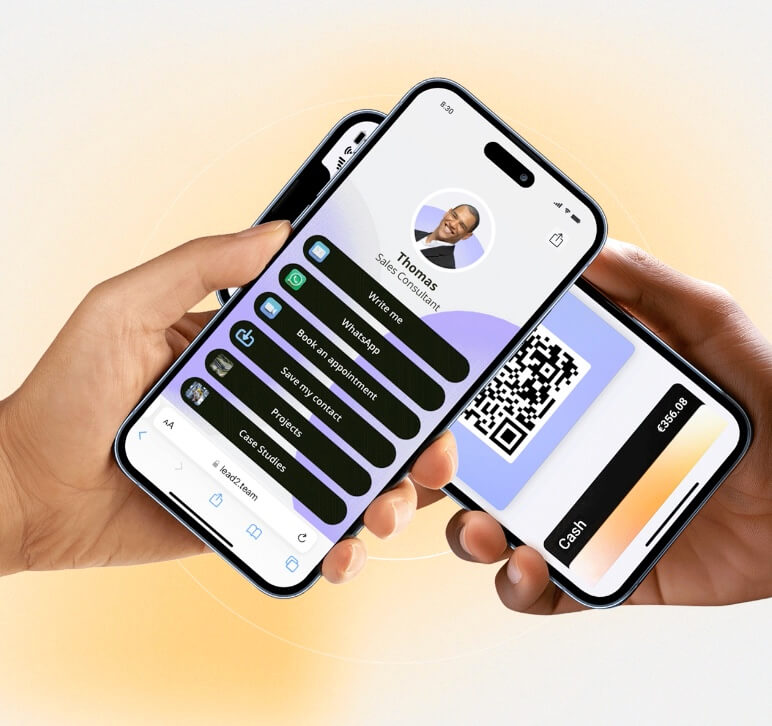
This synergy is what the 73% of B2B sales professionals considers the most effective approach. The key is to have the right tools to make the transition from face-to-face to digital immediate and frictionless. This is where a digital business card makes the difference: you share your profile via NFC, QR or link at the event and the contact already has all your data on their phone to connect with you later.
5 key strategies for professional networking
Define what you are looking for before each event or action.
Networking without a goal is like fishing without a hook. Before attending an event, opening LinkedIn or attending an afterwork, answer yourself these questions: Am I looking for potential customers? Am I looking for strategic alliances? Am I looking for mentors or knowledge? Am I looking for talent for my team?
Defining your target allows you to filter, prioritize and better leverage each interaction. You can't connect with everyone, so choose wisely who you invest your time with.
Prepare your presentation and your contact tools
Your elevator pitch - that 30-second presentation about who you are and what value you bring to the table - should be rehearsed and natural. Don't recite your resume: explain what problem you solve or what result you generate.
Also, prepare your contact tools: your updated digital card, your NFC card if you have one, your optimized LinkedIn profile. No one should have to write down your email address on a napkin. If you are looking for options, check out our guide on ways to share your digital business card.
The golden rule: add value first
The best networkers don't ask for favors: they offer them. Before asking for a meeting, a referral or a sale, ask yourself what you can bring to the table. An introduction to a relevant contact, a useful resource, a problem-solving idea. Professional networking works when you generate genuine reciprocity.
Fast Follow-up: the key that the 90% forgets
This is where most fail. The 80% of professionals does not follow up in the first 48 hours after an event. And without follow-up, networking is a wasted investment. Sending a personalized email, connecting on LinkedIn with a message that mentions the conversation, proposing a concrete next step: that's what turns a handshake into a professional relationship.
If you want a step by step guide with templates, read our article on follow-up after an event.
Cultivate your network all year round, not just when you need something.
Networking is not something you do the week before you look for jobs or clients. It is an ongoing discipline. Share relevant content, congratulate your contacts' achievements, offer selfless help, attend events regularly. Your network has to be alive to function when you need it.
Tools that enhance your professional networking
Digital business cards and NFC: the bridge between physical and digital
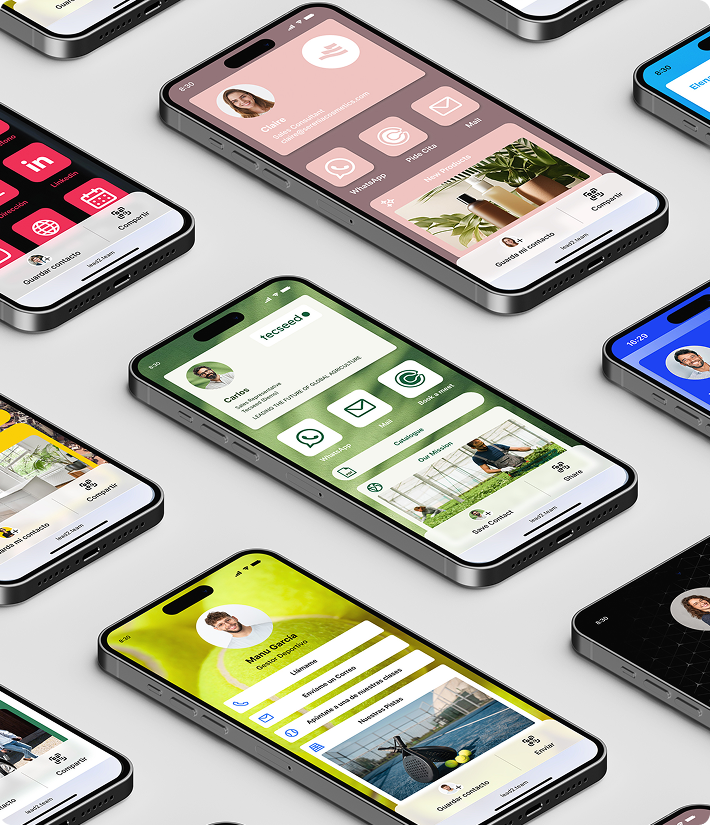
The digital business cards have transformed the first contact. Instead of a paper card that ends up in a drawer, you share a complete digital profile - complete with phone, email, LinkedIn, web, catalog and more - that the contact saves directly to their phone.
The NFC cards add the face-to-face factor: you bring your physical card close to the other person's mobile phone and their browser opens your profile instantly. No apps, no scanning. It's a «wow effect» moment that reinforces your professional image.
Platforms like Lead2Team combine digital card, NFC and lead capture in a single flow. When someone accesses your card and clicks «Save contact», they fill out a form whose data goes directly to your dashboard -or to your CRM via Zapier-. Zero lost data, immediate follow-up.
If you want to explore all the options, please visit our guide to digital tools for networking.
LinkedIn and online networking platforms
LinkedIn remains the number one platform for digital professional networking. Its advanced search engine, industry groups, events and LinkedIn Sales Navigator (for B2B) allow you to identify, connect and cultivate relationships with precision.
But LinkedIn is the place to nurture the relationship, not always to initiate it. The first face-to-face contact - facilitated by a digital card or NFC - generates a much stronger connection than a cold request.
CRM and tracking tools
Without a tracking system, your contact network is a list of names without context. A CRM (HubSpot, Pipedrive, Zoho or even Notion) allows you to record every interaction, schedule follow-ups and measure results. The key: the data from the first contact automatically arrives in the CRM, without punching paper cards.
Networking at events: how to maximize every attendance
Before the event: strategic preparation
Preparation is what separates the amateur from the professional. Before any fair or congress:
- Research attendees: Review the list of speakers and presenters. Identify key people.
- Set specific objectives: How many quality contacts do you want to get? What kind of contacts are you looking for?
- Prepare your tools: Digital card updated, NFC card loaded, elevator pitch rehearsed.
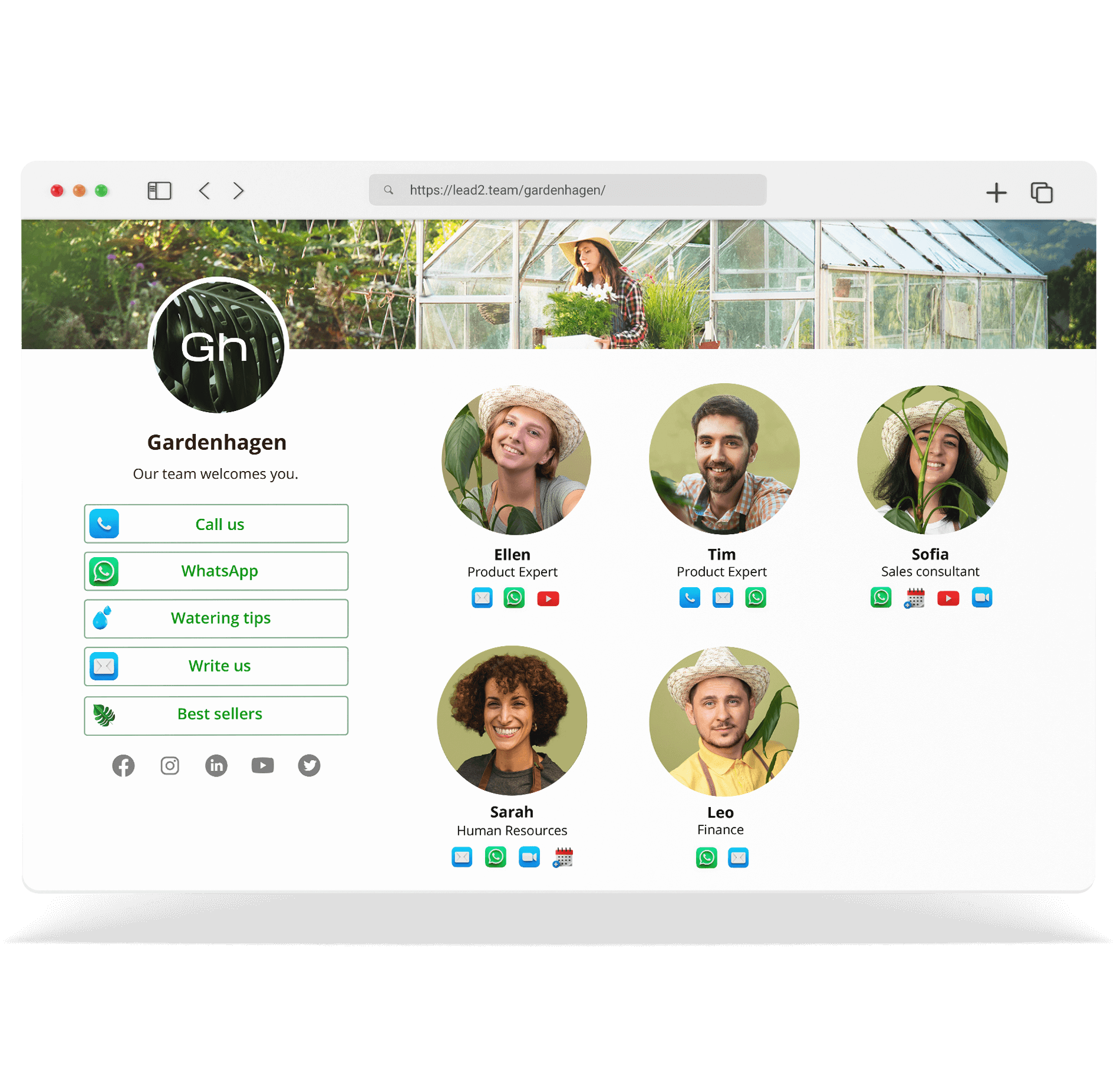
If you attend trade fairs and events with your team, platforms like Lead2Team allow you to prepare digital and NFC cards for the whole team from a single panel, ensuring brand consistency and centralized lead capture.
During the event: quality over quantity
Forget the goal of handing out 200 cards. Ten deep conversations generate more value than fifty superficial exchanges. Practice active listening, ask about the other person's challenges before talking about yours and take notes on each conversation (your future self will thank you for it).
When you exchange data, make it memorable. Holding your NFC card up to the other person's phone and having them receive your complete profile instantly creates an impression of professionalism and modernity that a paper card can't match. Find out how make a good professional impression from the first second.
After the event: the follow-up that converts
The event doesn't end when you pick up your accreditation from the floor. Follow-up in the first 24-48 hours is what turns contacts into relationships. Send a personalized email, connect on LinkedIn with a message that mentions the conversation and proposes a concrete next step.
The complete follow-up sequence -day 1, day 5, day 14, day 30- is detailed in depth in our article on follow-up of contacts after an event.
From contact to opportunity: how to turn your network into results
The networking funnel: from first contact to opportunity
Professional networking has its own funnel, similar to the sales funnel:
- Contact us: You know someone (event, LinkedIn, reference).
- Connection: You follow up and start interacting.
- Trust: Through multiple interactions, mutual trust is generated.
- Opportunity: A business opportunity, alliance or collaboration arises.
- Long-term relationship: You maintain the relationship even if there is no immediate transaction.
Not all leads will reach the opportunity stage, and that's normal. The goal is to have a constant flow of contacts entering the funnel and a system to accompany them at each stage. If you want to go deeper into the step from contact to customer, read our article on how to convert event leads into sales.
Networking metrics: how to measure your results
What is not measured, is not improved. Some useful metrics:
- New contacts per month: How many new people join your network?
- Follow-up rate: Of those contacts, how many do you follow up?
- Second interaction: How many make it to a second meeting or call?
- Opportunities generated: How many contacts lead to real business?
- Value generated: What is the economic value of the opportunities that come out of your networking?
If you use digital tools for acquisition - such as Lead2Team's integrated form - these metrics are easy to calculate because each contact has traceability from acquisition to result.
Common mistakes in professional networking (and how to avoid them)
These are the mistakes that sabotage even the best-intentioned networking:
- Selling at the first contact. Networking is about building relationships, not closing a sale. If your first message is a sales pitch, you lose credibility.
- Do not follow up. The most common and costly mistake. Without follow-up, every conversation at an event is wasted time.
- Only contact when you need something. If you only write to your contacts when you are looking for jobs, clients or favors, your network will not work.
- No easy way to share your data. Looking for a pen to jot down your email, giving a paper card that gets lost, having an outdated LinkedIn profile... all communicate unprofessionalism.
- Send generic messages. It was nice to meet you« without any personal details does not create a connection. Personalize every follow-up.
For each error, the solution is straightforward: define a networking strategy, use tools that facilitate data exchange and tracking, and prioritize authenticity over quantity.
Carga masiva y vista excel
Gestiona grandes volúmenes de datos de forma eficiente
Gestor de diseños, adaptable a tu branding
Personaliza el diseño para que coincida con tu marca
Email automático de onboarding a empleados
Automatiza el proceso de incorporación de nuevos empleados
Sistema de plantillas por departamentos o marcas
Organiza y gestiona plantillas por departamento o marca
Soporte local. Multiidioma
Atención al cliente en tu idioma y zona horaria
Tus datos están seguros y cumplen con el RGPD
Cumplimiento total con la normativa de protección de datos
Métricas e Integración con CRM
Conecta con tu CRM y analiza el rendimiento
Compatible con WALLET – NO requiere apps
Usa Apple Wallet y Google Wallet sin descargar apps
Integración en la web
Copia y pega el código en la web. Mucho más que una tarjeta digital
What is professional networking and why is it important?
Professional networking is the process of building and maintaining a network of contacts that generates mutual value. It is important because 85% of business and career opportunities arise through professional relationships. It's not just who you are, but who you know and who trusts you.
How to network if I am introverted or find it difficult to socialize?
Being an introvert is not an obstacle to networking. Introverts tend to be better listeners, and active listening is the most valued skill in networking. Prepare your questions in advance, set a goal of having 3-5 quality conversations (not 50) and rely on digital tools to reduce the friction of the first contact.
What is the difference between digital networking and face-to-face networking?
Face-to-face networking occurs at events, trade shows and face-to-face meetings; it generates deeper and more emotional connections. Digital networking takes place on LinkedIn, email and other platforms; it allows you to scale and maintain relationships at a distance. The most effective approach combines both.
How often should I network to be effective?
Networking should be an ongoing practice, not a one-time effort. Dedicate at least 2-3 hours a week to networking activities: attend events, interact on LinkedIn, follow up on recent contacts. Consistency is more important than intensity.
How to measure the return of my networking actions?
Measure new contacts per month, follow-up rate, second meetings achieved, business opportunities generated and economic value of those opportunities. If you use digital acquisition tools, the traceability from the first contact to the result greatly facilitates the measurement.
What mistakes should I avoid when networking professionally?
The five most common mistakes are: selling on the first contact, not following up, only contacting when you need something, not having professional tools to share your data and sending generic messages without personalization.
Is it better to network online or in person?
Neither is better on its own. Face-to-face networking generates deeper connections, and digital networking allows you to scale and maintain those connections. The winning strategy combines both channels in a complementary way.
How do I keep my network alive in the long term?
Share valuable content, congratulate professional achievements, offer help without asking for anything in return, schedule regular contacts with key people in your network and attend industry events regularly. The key is to provide value on an ongoing basis, not just when you need something.